Buy modern-furniture.be ?
We are moving the project
modern-furniture.be .
Are you interested in purchasing the domain
modern-furniture.be ?
domain@kv-gmbh.de · 0541-91531010
Buy modern-furniture.be ?
How were knights killed?
Knights were killed in battle through various means, including being struck by swords, spears, arrows, or other weapons. They were also vulnerable to being trampled by horses or falling from their mounts. Additionally, knights could be killed by being overwhelmed by multiple attackers or through strategic maneuvers that exploited weaknesses in their armor or defenses. Overall, the risks of combat and the nature of medieval warfare made knights susceptible to a range of fatal injuries on the battlefield. **
How did knights live?
Knights lived a life of privilege and power, often residing in castles or manor houses. They were trained in combat and chivalry, and were expected to uphold a code of honor and loyalty to their lord. Knights were often landowners and had vassals who worked the land for them. They participated in tournaments, jousting, and other martial competitions, and were expected to protect their lord's lands and people. Overall, knights lived a life of luxury and prestige, but also had the responsibility of defending their lord and upholding the ideals of chivalry. **


Similar search terms for Knights
Top-Angebote
Products related to Knights:
-
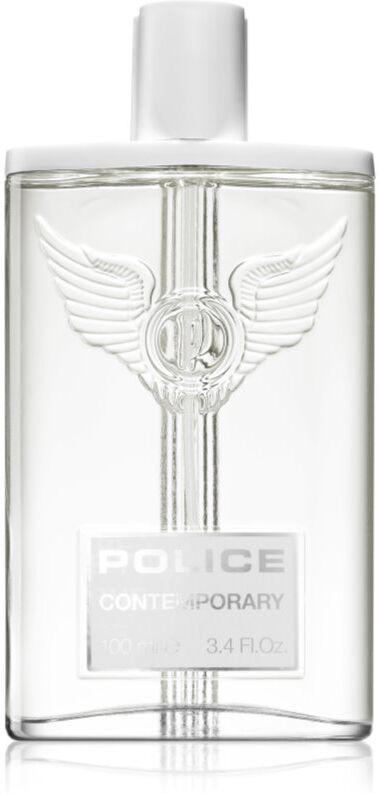
Police Contemporary Eau de Toilette pour homme 100 mlPolice Contemporary, 100 ml, Eaux de Toilette pour homme, Légère, fraîche et inégalable. L'eau de toilette pour homme Police Contemporary vous séduira par sa composition parfumée délicate et sophistiquée, parfaite pour un usage quotidien. parfum boisé parfum aromatique aux notes d’herbes souligne le sex-appeal et la masculinité naturelle parfum frais, idéal lorsqu’il fait chaud11,70 €*Shipping: 3,45 €Secure redirect to the provider
-
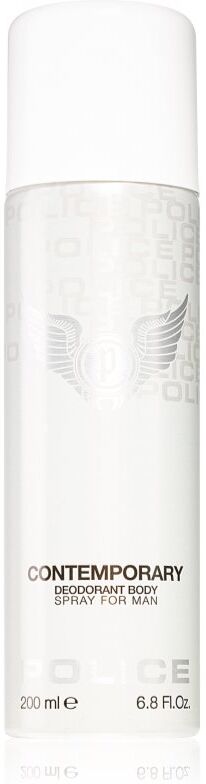
Police Contemporary déodorant et spray corps pour homme 200 mlPolice Contemporary, 200 ml, Déodorants et anti-transpirants pour homme, Quel que soit votre programme de la journée, vous n’avez plus à craindre les odeurs de transpiration. Le déodorant Police Contemporary évite les faux pas gênants tels que les mauvaises odeurs sous les bras. Il parfume agréablement la peau et lutte contre l’apparition d’odeurs dues au contact de la transpiration avec les bactéries présentes sur la peau. Son efficacité déodorante vous procure une protection durable ainsi qu’une sensation de fraîcheur et de propreté tout au long de la journée. Le produit : neutralise les odeurs laisse une sensation de fraîcheur qui dure renforce l'intensité du parfum de la même gamme Mode d’emploi : Appliquez sur des aisselles propres et sèches.3,24 €*Shipping: 3,45 €Secure redirect to the provider
-
ADIDAS SPORTSWEAR Baskets Breaknet SleekDétails produit • Usage sportswear • Talon plat • Fermeture : A lacets Composition et Entretien • Dessus/Tige : 100% cuir enduit • Doublure : 100% textile • Semelle intérieure : 100% textile • Semelle extérieure : 100% caoutchouc38,50 €*Shipping: 3,99 €Secure redirect to the provider


-
What replaced the knights?
The rise of gunpowder and firearms led to the decline of the traditional knight in warfare. As firearms became more advanced and widespread, the heavy armor and cavalry tactics of the knights became less effective on the battlefield. Additionally, the centralized power of monarchies and the professionalization of armies led to the decline of the feudal system and the need for knights as a military force. Instead, professional standing armies and modern military tactics replaced the role of the knights in warfare. **
-
Who are famous knights?
Some famous knights throughout history include Sir Lancelot, a prominent figure in the Arthurian legends known for his bravery and loyalty; Sir William Marshal, a renowned medieval knight and statesman who served under multiple English kings; and Sir Gawain, a noble and chivalrous knight from Arthurian legend known for his moral integrity and courage. These knights are celebrated for their valor, honor, and dedication to the code of chivalry. **
-
Did farmers become knights?
In medieval times, it was not common for farmers to become knights. Knights were typically members of the nobility or trained warriors who served a lord or king. However, in some cases, a farmer could potentially rise to the status of a knight if they displayed exceptional skill in combat or were granted the title by a higher-ranking noble or monarch. Overall, the path from farmer to knight was not a common or straightforward one in medieval society. **
-
How are knights viewed today?
Today, knights are often viewed as romanticized figures from the medieval era, symbolizing chivalry, honor, and bravery. They are often associated with the code of chivalry and the ideals of protecting the weak and upholding justice. While the historical reality of knights may have been more complex, their image has been idealized in popular culture through literature, film, and other media, contributing to their enduring appeal as noble and valiant figures. **


How strong were medieval knights?
Medieval knights were generally considered to be very strong and skilled warriors. They were trained from a young age in combat, horsemanship, and the use of various weapons such as swords, lances, and shields. Their physical strength and endurance were essential for wearing heavy armor and engaging in hand-to-hand combat. Knights were also expected to be able to withstand the rigors of battle, including long periods of fighting on foot or on horseback. Overall, medieval knights were highly trained and physically strong individuals, capable of holding their own in the battlefield. **
Why did knights lead wars?
Knights led wars because they were skilled and trained in combat, making them effective leaders on the battlefield. They were also often the wealthiest and most powerful members of society, with the resources to raise and equip armies. Additionally, leading wars allowed knights to gain land, wealth, and prestige, as well as to fulfill their obligations to their lords and kings. Finally, warfare was a central part of the medieval feudal system, and knights were expected to fulfill their duty to protect their lord's lands and interests through military service. **
Top-Angebote
Products related to Knights:
-
Collier-Laisse Elegant Taboom 1mFaites glisser doucement la chaîne du Collier-Laisse Elegant Taboom 1m entre vos doigts. Sensuel, non ? Ce bijou d’obéissance signé Taboom allie charme et contrôle. Il attire le regard, puis retient l’attention, tout simplement.Élégance et maîtrise 💫Le collier en simili mesure 3 cm de largeur et34,99 €*Shipping: 0,00 €Secure redirect to the provider
-
Police Contemporary Eau de Toilette pour homme 100 mlPolice Contemporary, 100 ml, Eaux de Toilette pour homme, Légère, fraîche et inégalable. L'eau de toilette pour homme Police Contemporary vous séduira par sa composition parfumée délicate et sophistiquée, parfaite pour un usage quotidien. parfum boisé parfum aromatique aux notes d’herbes souligne le sex-appeal et la masculinité naturelle parfum frais, idéal lorsqu’il fait chaud11,70 €*Shipping: 3,45 €Secure redirect to the provider
-
How were knights killed?
Knights were killed in battle through various means, including being struck by swords, spears, arrows, or other weapons. They were also vulnerable to being trampled by horses or falling from their mounts. Additionally, knights could be killed by being overwhelmed by multiple attackers or through strategic maneuvers that exploited weaknesses in their armor or defenses. Overall, the risks of combat and the nature of medieval warfare made knights susceptible to a range of fatal injuries on the battlefield. **
-
How did knights live?
Knights lived a life of privilege and power, often residing in castles or manor houses. They were trained in combat and chivalry, and were expected to uphold a code of honor and loyalty to their lord. Knights were often landowners and had vassals who worked the land for them. They participated in tournaments, jousting, and other martial competitions, and were expected to protect their lord's lands and people. Overall, knights lived a life of luxury and prestige, but also had the responsibility of defending their lord and upholding the ideals of chivalry. **
-
What replaced the knights?
The rise of gunpowder and firearms led to the decline of the traditional knight in warfare. As firearms became more advanced and widespread, the heavy armor and cavalry tactics of the knights became less effective on the battlefield. Additionally, the centralized power of monarchies and the professionalization of armies led to the decline of the feudal system and the need for knights as a military force. Instead, professional standing armies and modern military tactics replaced the role of the knights in warfare. **
-
Who are famous knights?
Some famous knights throughout history include Sir Lancelot, a prominent figure in the Arthurian legends known for his bravery and loyalty; Sir William Marshal, a renowned medieval knight and statesman who served under multiple English kings; and Sir Gawain, a noble and chivalrous knight from Arthurian legend known for his moral integrity and courage. These knights are celebrated for their valor, honor, and dedication to the code of chivalry. **
Similar search terms for Knights
-
Police Contemporary déodorant et spray corps pour homme 200 mlPolice Contemporary, 200 ml, Déodorants et anti-transpirants pour homme, Quel que soit votre programme de la journée, vous n’avez plus à craindre les odeurs de transpiration. Le déodorant Police Contemporary évite les faux pas gênants tels que les mauvaises odeurs sous les bras. Il parfume agréablement la peau et lutte contre l’apparition d’odeurs dues au contact de la transpiration avec les bactéries présentes sur la peau. Son efficacité déodorante vous procure une protection durable ainsi qu’une sensation de fraîcheur et de propreté tout au long de la journée. Le produit : neutralise les odeurs laisse une sensation de fraîcheur qui dure renforce l'intensité du parfum de la même gamme Mode d’emploi : Appliquez sur des aisselles propres et sèches.3,24 €*Shipping: 3,45 €Secure redirect to the provider
-
ADIDAS SPORTSWEAR Baskets Breaknet SleekDétails produit • Usage sportswear • Talon plat • Fermeture : A lacets Composition et Entretien • Dessus/Tige : 100% cuir enduit • Doublure : 100% textile • Semelle intérieure : 100% textile • Semelle extérieure : 100% caoutchouc38,50 €*Shipping: 3,99 €Secure redirect to the provider
-
ADIDAS SPORTSWEAR Baskets BREAKNET SLEEKDétails produit • Usage sportswear • Talon plat • Fermeture : A lacets Composition et Entretien • Dessus/Tige : 50% autres matériaux, 50% cuir • Doublure : 100% textile • Semelle intérieure : 100% textile • Semelle extérieure : 100% caoutchouc42,00 €*Shipping: 3,99 €Secure redirect to the provider
-
ADIDAS SPORTSWEAR Baskets BREAKNET SLEEKDétails produit • Usage sportswear • Talon plat • Fermeture : A lacets Composition et Entretien • Dessus/Tige : 50% autres matériaux, 50% cuir • Doublure : 100% textile • Semelle intérieure : 100% textile • Semelle extérieure : 100% caoutchouc49,80 €*Shipping: 3,99 €Secure redirect to the provider
-
Did farmers become knights?
In medieval times, it was not common for farmers to become knights. Knights were typically members of the nobility or trained warriors who served a lord or king. However, in some cases, a farmer could potentially rise to the status of a knight if they displayed exceptional skill in combat or were granted the title by a higher-ranking noble or monarch. Overall, the path from farmer to knight was not a common or straightforward one in medieval society. **
-
How are knights viewed today?
Today, knights are often viewed as romanticized figures from the medieval era, symbolizing chivalry, honor, and bravery. They are often associated with the code of chivalry and the ideals of protecting the weak and upholding justice. While the historical reality of knights may have been more complex, their image has been idealized in popular culture through literature, film, and other media, contributing to their enduring appeal as noble and valiant figures. **
-
How strong were medieval knights?
Medieval knights were generally considered to be very strong and skilled warriors. They were trained from a young age in combat, horsemanship, and the use of various weapons such as swords, lances, and shields. Their physical strength and endurance were essential for wearing heavy armor and engaging in hand-to-hand combat. Knights were also expected to be able to withstand the rigors of battle, including long periods of fighting on foot or on horseback. Overall, medieval knights were highly trained and physically strong individuals, capable of holding their own in the battlefield. **
-
Why did knights lead wars?
Knights led wars because they were skilled and trained in combat, making them effective leaders on the battlefield. They were also often the wealthiest and most powerful members of society, with the resources to raise and equip armies. Additionally, leading wars allowed knights to gain land, wealth, and prestige, as well as to fulfill their obligations to their lords and kings. Finally, warfare was a central part of the medieval feudal system, and knights were expected to fulfill their duty to protect their lord's lands and interests through military service. **
* All prices are inclusive of VAT and, if applicable, plus shipping costs. The offer information is based on the details provided by the respective shop and is updated through automated processes. Real-time updates do not occur, so deviations can occur in individual cases. ** Note: Parts of this content were created by AI.