Buy modern-furniture.be ?
We are moving the project
modern-furniture.be .
Are you interested in purchasing the domain
modern-furniture.be ?
domain@kv-gmbh.de · 0541-91531010
Buy modern-furniture.be ?
Was Yugoslavia a democracy?
Yugoslavia was officially a socialist federal republic, and its political system was based on the principles of self-management and workers' councils. While it had elements of a multi-party system and periodic elections, the Communist Party held a dominant position in the government and society. This limited the true democratic nature of the country, as the ruling party had significant control over political and social life. Therefore, while Yugoslavia had some democratic features, it did not fully function as a liberal democracy. **
What happened to Yugoslavia?
Yugoslavia was a country in Southeast Europe that existed from 1918 to 2003. It was formed after World War I and consisted of several different ethnic groups, including Serbs, Croats, and Bosniaks. However, ethnic tensions and political conflicts eventually led to the breakup of Yugoslavia in the 1990s. This breakup resulted in a series of violent conflicts, including the Bosnian War and the Kosovo War. By 2003, the remaining parts of Yugoslavia had all become independent nations, including Serbia, Croatia, Bosnia and Herzegovina, Montenegro, North Macedonia, and Slovenia. **

Similar search terms for Yugoslavia
Top-Angebote
Products related to Yugoslavia:
-
Taboom Pince à tétons Contemporary Nipple SpokeFaites glisser doucement les tiges dorées du Contemporary Nipple Spoke sur votre peau. Sensuel, n’est-ce pas ? Le métal froid contraste avec la chaleur du corps, et déjà la tension monte. Ce bijou de plaisir signé Taboom allie raffinement et intensité dans un design aussi élégant qu’efficace.Un44,99 €*Shipping: 0,00 €Secure redirect to the provider
-
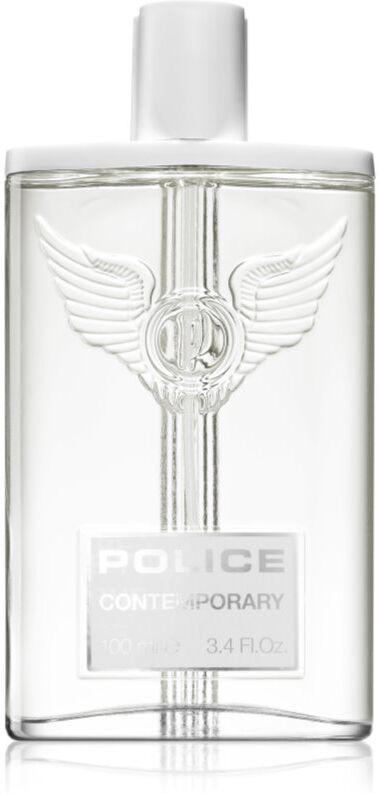
Police Contemporary Eau de Toilette pour homme 100 mlPolice Contemporary, 100 ml, Eaux de Toilette pour homme, Légère, fraîche et inégalable. L'eau de toilette pour homme Police Contemporary vous séduira par sa composition parfumée délicate et sophistiquée, parfaite pour un usage quotidien. parfum boisé parfum aromatique aux notes d’herbes souligne le sex-appeal et la masculinité naturelle parfum frais, idéal lorsqu’il fait chaud11,70 €*Shipping: 3,45 €Secure redirect to the provider



-
What is Yugoslavia called today?
Yugoslavia is no longer a country. It dissolved in the early 1990s due to ethnic conflicts and is now split into several independent countries. These countries include Serbia, Croatia, Slovenia, Bosnia and Herzegovina, Montenegro, Kosovo, and North Macedonia. **
-
How would Yugoslavia look like today?
It is difficult to predict exactly how Yugoslavia would look like today as there are many factors to consider. However, it is possible that the country would have faced challenges due to its diverse ethnic and religious makeup. There may have been ongoing tensions between different groups, potentially leading to political instability and conflict. On the other hand, if the country had managed to maintain unity and stability, it could have been a strong player in the region with a diverse and vibrant culture. **
-
Which language was spoken in Yugoslavia?
The main language spoken in Yugoslavia was Serbo-Croatian, which is a South Slavic language. This language was a combination of Serbian and Croatian dialects and was used as the official language of the country. Other languages spoken in Yugoslavia included Slovenian, Macedonian, and Albanian, reflecting the diverse ethnic makeup of the country. **
-
Why does Yugoslavia no longer exist?
Yugoslavia no longer exists due to a combination of factors, including ethnic and nationalist tensions, economic difficulties, and the collapse of communism. The country was made up of multiple ethnic groups, including Serbs, Croats, and Bosnians, which led to internal conflicts and eventually the breakup of the country. Additionally, the fall of communism in Eastern Europe and the economic struggles that followed contributed to the disintegration of Yugoslavia. Ultimately, these factors led to the secession of various republics and the eventual dissolution of the country. **
Is Yugoslavia a world power today?
No, Yugoslavia is not a world power today. In fact, Yugoslavia as a political entity ceased to exist in the 1990s, breaking up into several independent countries including Serbia, Croatia, Bosnia and Herzegovina, Montenegro, North Macedonia, and Slovenia. These individual countries do not hold the same level of global influence or power as the former Yugoslavia once did. Therefore, Yugoslavia is not a world power today. **
What is the problem regarding Yugoslavia?
The problem regarding Yugoslavia is the ongoing ethnic and political tensions that have persisted since the breakup of the country in the 1990s. The region has experienced violent conflicts and wars, resulting in the loss of thousands of lives and the displacement of millions of people. The unresolved issues of ethnic nationalism, territorial disputes, and political instability continue to hinder the progress and stability of the region. Additionally, the lack of reconciliation and accountability for war crimes and human rights abuses further complicates efforts to achieve lasting peace and stability in the former Yugoslav states. **
Top-Angebote
Products related to Yugoslavia:
-
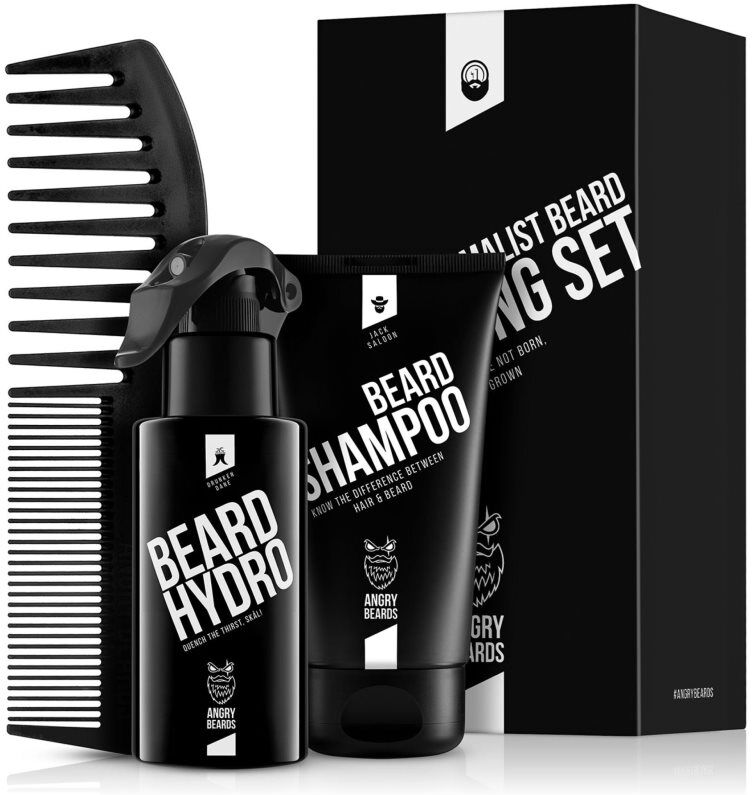
Angry Beards Minimalist Grooming Set ensemble barbeAngry Beards Minimalist Grooming Set, 1 pcs, Kits barbe Qui dit occasions spéciales, dit cadeaux spéciaux, que ce soit pour se faire plaisir ou pour gâter ceux que l’on aime. Le coffret cadeau Angry Beards Minimalist Grooming Set contient un assortiment de parfums et de produits de beauté soigneusement sélectionnés et choisis avec amour. Que vous les découvriez tous en même temps ou que vous preniez le temps de les ouvrir, ces produits (vous) plairont à coup sûr. L'ensemble contient: Angry Beards Beard Hydro lotion tonique barbe 100 ml Angry Beards Jack Saloon Beard Shampoo shampoing pour barbe pour homme 150 ml Angry Beards peigne à barbe 1 pcs Le produit : possibilité de créer une routine quotidienne27,45 €*Shipping: 3,45 €Secure redirect to the provider
-
Collier-Laisse Elegant Taboom 1mFaites glisser doucement la chaîne du Collier-Laisse Elegant Taboom 1m entre vos doigts. Sensuel, non ? Ce bijou d’obéissance signé Taboom allie charme et contrôle. Il attire le regard, puis retient l’attention, tout simplement.Élégance et maîtrise 💫Le collier en simili mesure 3 cm de largeur et34,99 €*Shipping: 0,00 €Secure redirect to the provider
-
Taboom Pince à tétons Contemporary Nipple SpokeFaites glisser doucement les tiges dorées du Contemporary Nipple Spoke sur votre peau. Sensuel, n’est-ce pas ? Le métal froid contraste avec la chaleur du corps, et déjà la tension monte. Ce bijou de plaisir signé Taboom allie raffinement et intensité dans un design aussi élégant qu’efficace.Un44,99 €*Shipping: 0,00 €Secure redirect to the provider
-
Police Contemporary Eau de Toilette pour homme 100 mlPolice Contemporary, 100 ml, Eaux de Toilette pour homme, Légère, fraîche et inégalable. L'eau de toilette pour homme Police Contemporary vous séduira par sa composition parfumée délicate et sophistiquée, parfaite pour un usage quotidien. parfum boisé parfum aromatique aux notes d’herbes souligne le sex-appeal et la masculinité naturelle parfum frais, idéal lorsqu’il fait chaud11,70 €*Shipping: 3,45 €Secure redirect to the provider
-
Was Yugoslavia a democracy?
Yugoslavia was officially a socialist federal republic, and its political system was based on the principles of self-management and workers' councils. While it had elements of a multi-party system and periodic elections, the Communist Party held a dominant position in the government and society. This limited the true democratic nature of the country, as the ruling party had significant control over political and social life. Therefore, while Yugoslavia had some democratic features, it did not fully function as a liberal democracy. **
-
What happened to Yugoslavia?
Yugoslavia was a country in Southeast Europe that existed from 1918 to 2003. It was formed after World War I and consisted of several different ethnic groups, including Serbs, Croats, and Bosniaks. However, ethnic tensions and political conflicts eventually led to the breakup of Yugoslavia in the 1990s. This breakup resulted in a series of violent conflicts, including the Bosnian War and the Kosovo War. By 2003, the remaining parts of Yugoslavia had all become independent nations, including Serbia, Croatia, Bosnia and Herzegovina, Montenegro, North Macedonia, and Slovenia. **
-
What is Yugoslavia called today?
Yugoslavia is no longer a country. It dissolved in the early 1990s due to ethnic conflicts and is now split into several independent countries. These countries include Serbia, Croatia, Slovenia, Bosnia and Herzegovina, Montenegro, Kosovo, and North Macedonia. **
-
How would Yugoslavia look like today?
It is difficult to predict exactly how Yugoslavia would look like today as there are many factors to consider. However, it is possible that the country would have faced challenges due to its diverse ethnic and religious makeup. There may have been ongoing tensions between different groups, potentially leading to political instability and conflict. On the other hand, if the country had managed to maintain unity and stability, it could have been a strong player in the region with a diverse and vibrant culture. **
Similar search terms for Yugoslavia
-
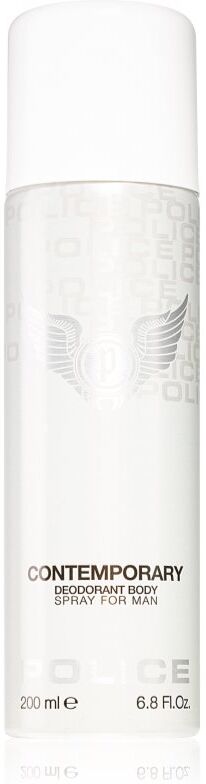
Police Contemporary déodorant et spray corps pour homme 200 mlPolice Contemporary, 200 ml, Déodorants et anti-transpirants pour homme, Quel que soit votre programme de la journée, vous n’avez plus à craindre les odeurs de transpiration. Le déodorant Police Contemporary évite les faux pas gênants tels que les mauvaises odeurs sous les bras. Il parfume agréablement la peau et lutte contre l’apparition d’odeurs dues au contact de la transpiration avec les bactéries présentes sur la peau. Son efficacité déodorante vous procure une protection durable ainsi qu’une sensation de fraîcheur et de propreté tout au long de la journée. Le produit : neutralise les odeurs laisse une sensation de fraîcheur qui dure renforce l'intensité du parfum de la même gamme Mode d’emploi : Appliquez sur des aisselles propres et sèches.3,24 €*Shipping: 3,45 €Secure redirect to the provider
-
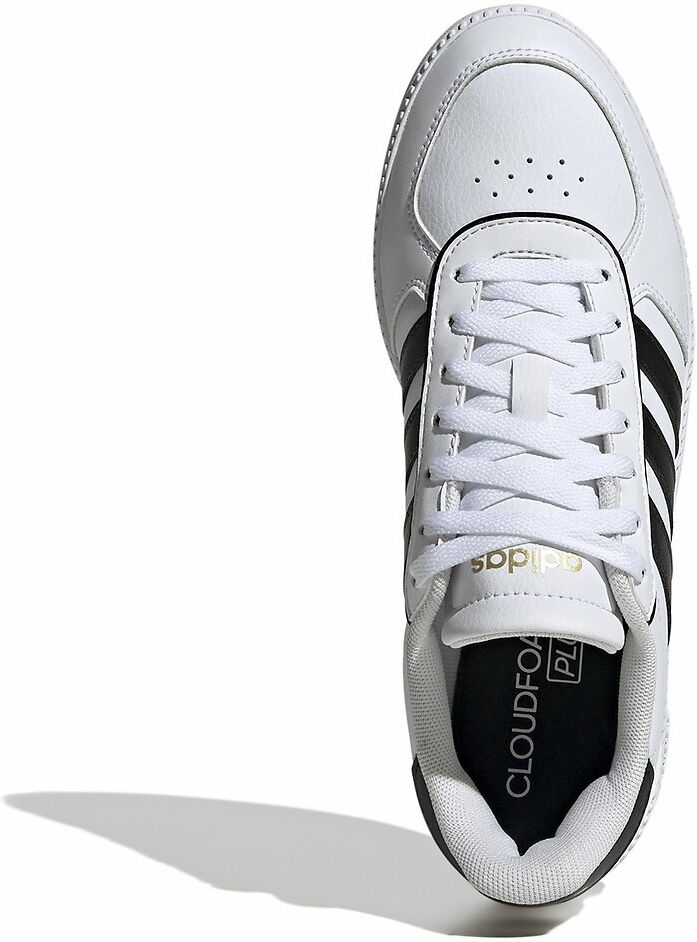
ADIDAS SPORTSWEAR Baskets Breaknet SleekDétails produit • Usage sportswear • Talon plat • Fermeture : A lacets Composition et Entretien • Dessus/Tige : 100% cuir enduit • Doublure : 100% textile • Semelle intérieure : 100% textile • Semelle extérieure : 100% caoutchouc55,00 €*Shipping: 3,99 €Secure redirect to the provider
-
Which language was spoken in Yugoslavia?
The main language spoken in Yugoslavia was Serbo-Croatian, which is a South Slavic language. This language was a combination of Serbian and Croatian dialects and was used as the official language of the country. Other languages spoken in Yugoslavia included Slovenian, Macedonian, and Albanian, reflecting the diverse ethnic makeup of the country. **
-
Why does Yugoslavia no longer exist?
Yugoslavia no longer exists due to a combination of factors, including ethnic and nationalist tensions, economic difficulties, and the collapse of communism. The country was made up of multiple ethnic groups, including Serbs, Croats, and Bosnians, which led to internal conflicts and eventually the breakup of the country. Additionally, the fall of communism in Eastern Europe and the economic struggles that followed contributed to the disintegration of Yugoslavia. Ultimately, these factors led to the secession of various republics and the eventual dissolution of the country. **
-
Is Yugoslavia a world power today?
No, Yugoslavia is not a world power today. In fact, Yugoslavia as a political entity ceased to exist in the 1990s, breaking up into several independent countries including Serbia, Croatia, Bosnia and Herzegovina, Montenegro, North Macedonia, and Slovenia. These individual countries do not hold the same level of global influence or power as the former Yugoslavia once did. Therefore, Yugoslavia is not a world power today. **
-
What is the problem regarding Yugoslavia?
The problem regarding Yugoslavia is the ongoing ethnic and political tensions that have persisted since the breakup of the country in the 1990s. The region has experienced violent conflicts and wars, resulting in the loss of thousands of lives and the displacement of millions of people. The unresolved issues of ethnic nationalism, territorial disputes, and political instability continue to hinder the progress and stability of the region. Additionally, the lack of reconciliation and accountability for war crimes and human rights abuses further complicates efforts to achieve lasting peace and stability in the former Yugoslav states. **
* All prices are inclusive of VAT and, if applicable, plus shipping costs. The offer information is based on the details provided by the respective shop and is updated through automated processes. Real-time updates do not occur, so deviations can occur in individual cases. ** Note: Parts of this content were created by AI.